It’s one of the most common questions people ask their dentist: how often do I actually need to come in for a cleaning? For many patients, “twice a year” has always been the answer, but the truth is a little more nuanced. The right cleaning schedule depends on your individual oral health, lifestyle, and risk factors, and getting it right makes a meaningful difference over the long run.
At Maple Glen Modern Dentistry in Ambler, PA, we take a personalized approach to preventive care. Dr. Adam Rudin evaluates each patient’s unique needs rather than applying a one-size-fits-all recommendation, which means your cleaning schedule is built around your mouth, not just a calendar. If you’re due for a visit or unsure when you last came in, you can learn more about what to expect from our dental exams and cleanings in Ambler.
The Standard Recommendation and Why It Exists
The twice-yearly cleaning schedule isn’t arbitrary. It has roots in decades of clinical practice and aligns with what most PPO insurance plans cover. For patients with healthy gums, minimal buildup, and a low risk of cavities, two cleanings a year are generally sufficient to stay ahead of tartar and catch early concerns before they turn into bigger problems.
That said, the twice-a-year guideline is a starting point, not a rule. According to the National Institute of Dental and Craniofacial Research, the large majority of adults will experience dental caries in their permanent teeth at some point in their lives. That statistic alone makes clear that many patients benefit from a more customized prevention schedule. Cleanings remove what brushing and flossing can’t, and for some patients, that buildup happens faster than it does for others.
Who May Need More Frequent Cleanings
Not every patient is at the same risk level, and several factors can push someone into the category of needing three or even four cleanings a year. Our preventive dentistry services are designed to support patients at every risk level and help them maintain a healthy baseline between visits.
Patients who may benefit from more frequent appointments include those with a history of gum disease, anyone prone to heavy tartar buildup, individuals managing diabetes or other systemic conditions linked to oral health, smokers, and patients currently undergoing periodontal treatment. Pregnant patients are also often in this category, since hormonal shifts can make gum tissue more reactive. The goal with more frequent visits isn’t to be overly cautious — it’s to stay ahead of problems before they require more invasive treatment.
Catching early signs of gum disease or decay during a routine cleaning is far less involved than treating an advanced issue later. For most higher-risk patients, the added appointments pay for themselves many times over in avoided treatment.
What Happens During a Professional Cleaning
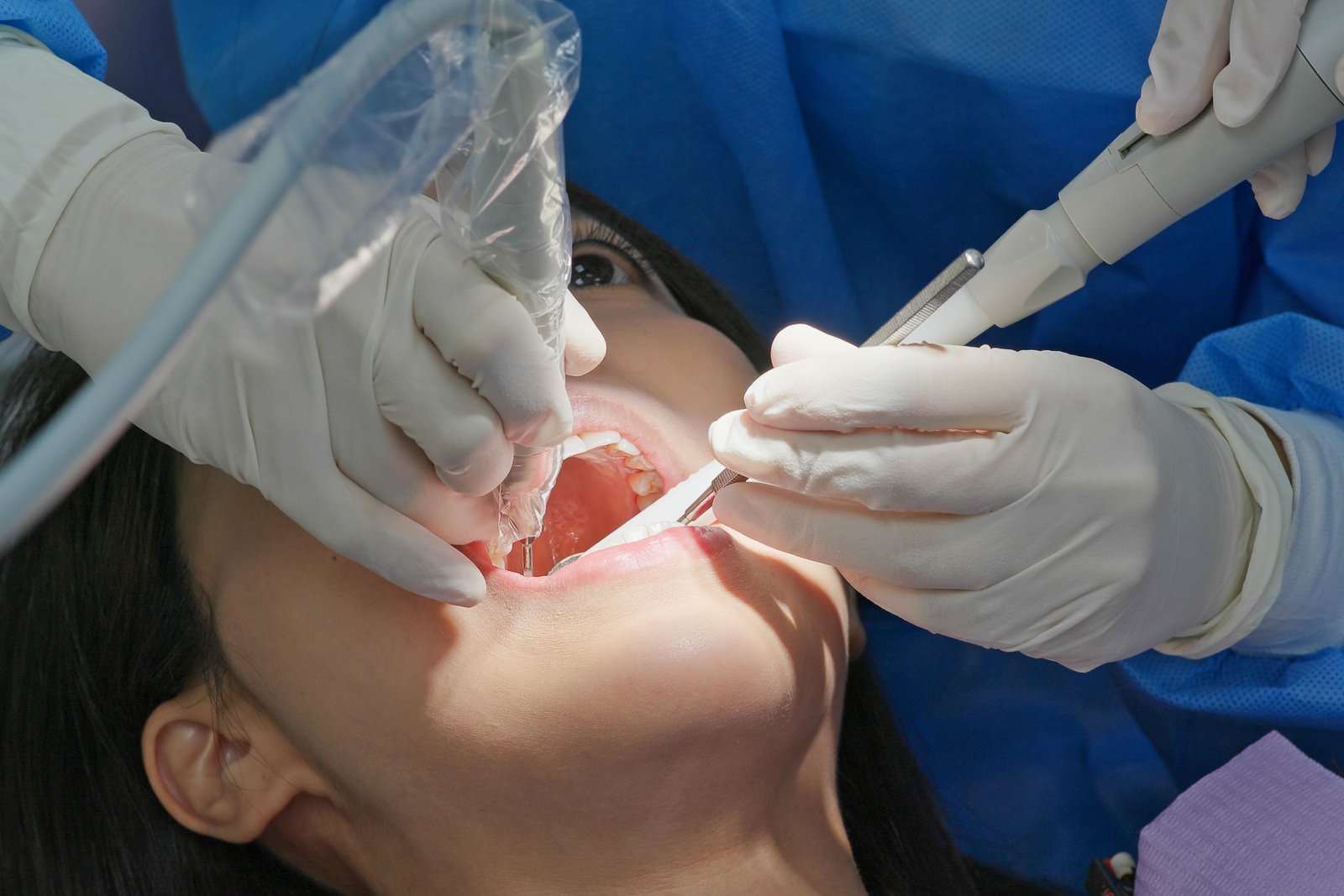
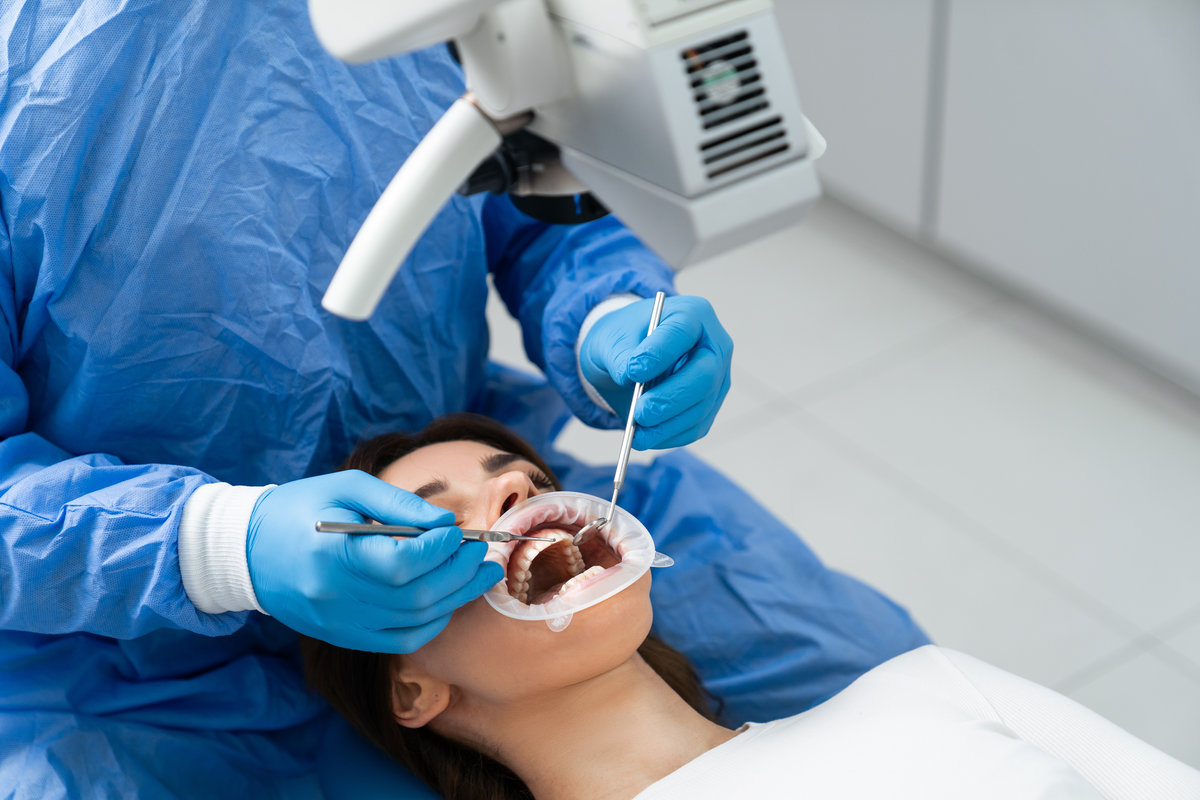
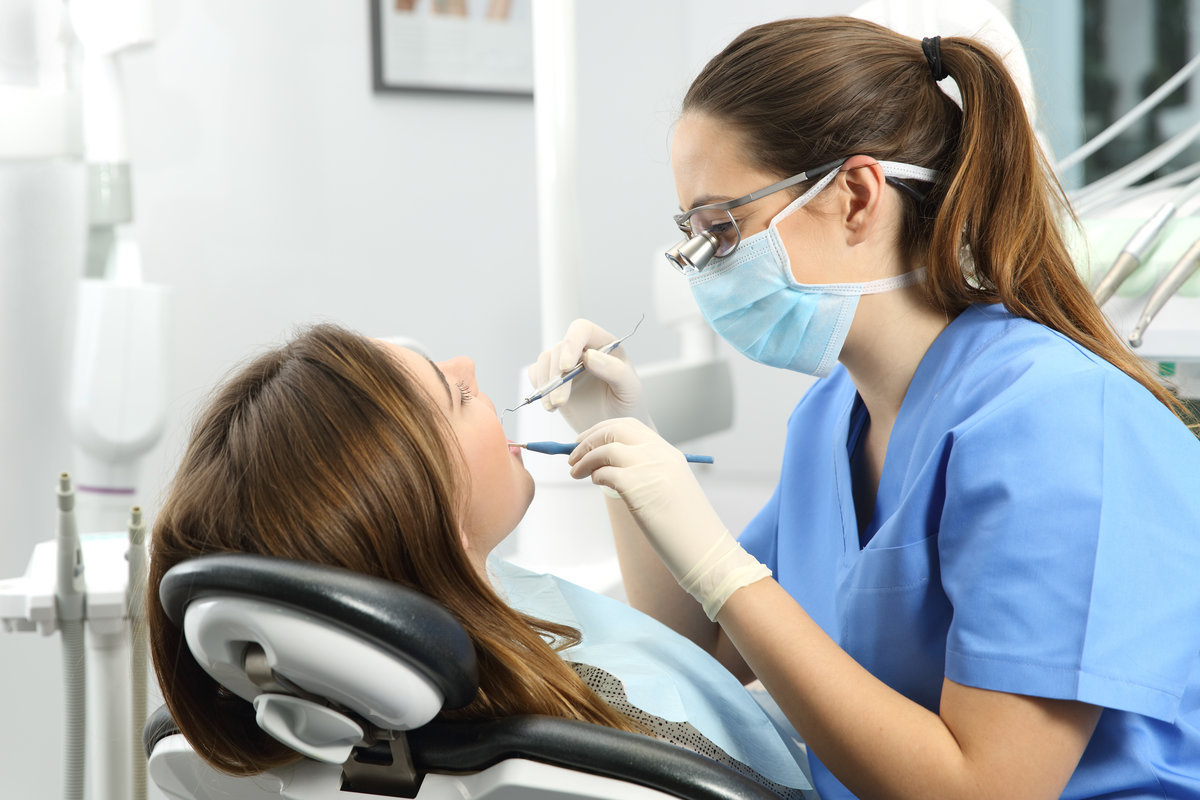
A professional cleaning goes well beyond what can be accomplished at home. During your appointment, our hygienist removes calculus — hardened tartar that forms on tooth surfaces over time and can’t be brushed away. They also clean along and just below the gumline, where bacteria tend to accumulate and where patients most often miss during daily brushing and flossing.
Following the cleaning, your teeth are polished and Dr. Rudin performs a thorough exam. This is also when we incorporate fluoride treatments for patients who benefit from added protection against decay. We use intraoral cameras and digital imaging throughout your visit so you can see exactly what we see, which makes the conversation about your oral health much more concrete and actionable.
How to Know What Schedule Is Right for You
The honest answer is that cleaning frequency should reflect your actual risk level, and your dentist is best positioned to make that call after an exam. Most patients who’ve been on a consistent schedule and show healthy tissue and minimal buildup will do just fine with two visits a year. Others have oral health histories or current conditions that make more frequent care the smarter path.
If it’s been more than a year since your last cleaning, or if you’ve noticed any bleeding, sensitivity, or other changes in your mouth, there’s no reason to wait for your next scheduled visit. Staying consistent with professional cleanings is one of the simplest things you can do to protect both your oral health and your overall well-being.
Choose Maple Glen Modern Dentistry for Dental Cleanings in Ambler, PA
Dr. Adam Rudin earned his dental degree from the NYU College of Dentistry and completed a general practice residency at Newark Beth Israel Medical Center, giving him both the academic foundation and hands-on clinical experience to approach preventive care with real depth. He has also completed the Dawson Academy Core Curriculum, with a focus on occlusion and how the oral system works as a whole. Maple Glen Modern Dentistry serves patients from Ambler, Fort Washington, Lansdale, Horsham, and the surrounding communities. If jaw discomfort has also been on your mind, take a look at our guide to recognizing TMJ symptoms as well. Schedule your next cleaning today and let us help you find the right rhythm for your care.
Frequently Asked Questions About Dental Cleanings
Is it bad to go longer than 6 months between cleanings?
For most low-risk patients, going a bit past six months occasionally isn’t harmful, but consistently delaying cleanings allows plaque and tartar to build up, which raises the risk of gum disease and cavities over time.
Do I still need cleanings if I brush and floss regularly?
Yes. Brushing and flossing are essential, but they can’t remove hardened tartar or reach every area below the gumline the way a professional cleaning can. Home care and professional cleanings work together, not as substitutes for each other.
Why might my dentist recommend cleanings every 3 or 4 months?
More frequent cleanings are often recommended for patients with a history of gum disease, heavy tartar buildup, certain systemic health conditions, or those currently in periodontal treatment, as a way to stay ahead of issues before they progress.
Does insurance cover more than two cleanings a year?
Coverage varies by plan. Many PPO plans cover two cleanings annually, though some plans provide additional coverage for patients with documented periodontal needs. Our team can help you understand your specific benefits.
What’s included in a routine cleaning appointment?
A typical cleaning includes removal of plaque and tartar, polishing, a gumline check, fluoride treatment when appropriate, and an exam by the dentist using digital imaging to review your overall oral health.