You finally decided to replace a missing tooth, only to hear the words no one expects: “You don’t have enough bone for an implant.” It can feel like the rug was pulled out from under you, especially after working up the courage to take this step. The truth is, jawbone loss after a tooth extraction or long-term gap is incredibly common, and it does not mean implants are off the table.
At Maple Glen Modern Dentistry, we perform both dental implant placement and bone grafting under one roof. Dr. Adam Rudin completed a two-year implantology program at NYU, which means the evaluation, grafting, and final restoration all happen with the same team. For patients in Ambler, PA and the surrounding communities, this continuity removes the need to coordinate between multiple offices and simplifies every phase of treatment.
Why Jawbone Loss Happens After Tooth Loss
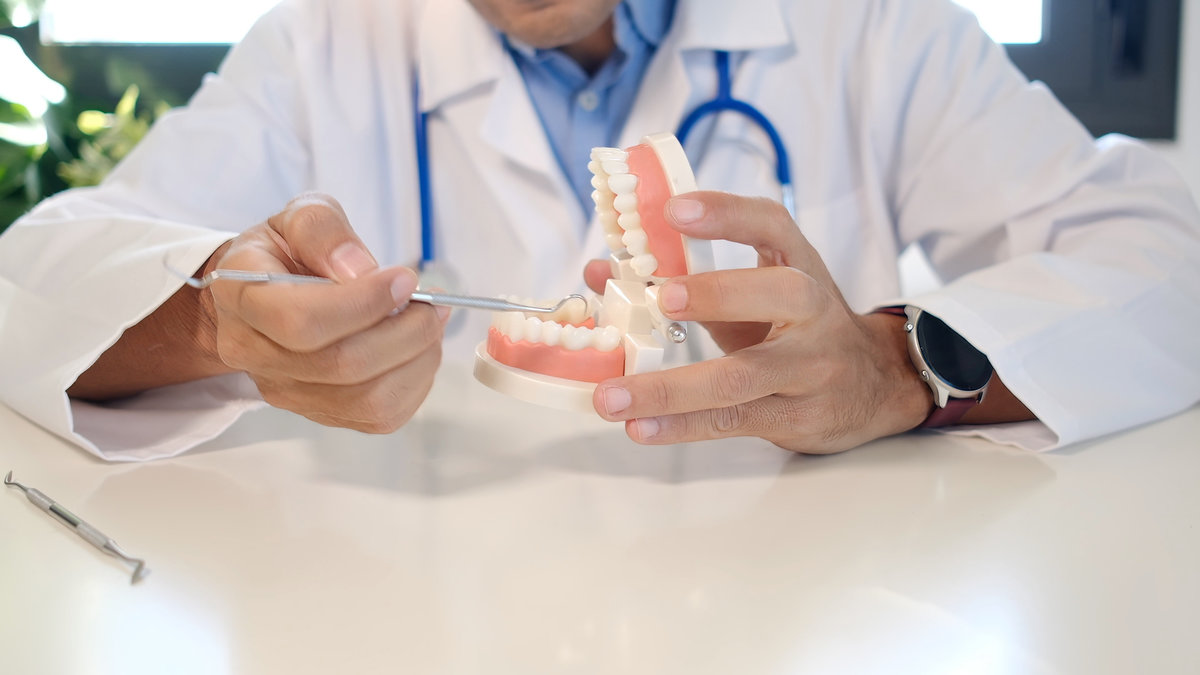
Your jawbone depends on the stimulation it receives from tooth roots during everyday chewing. Once a tooth is removed or falls out, the bone in the area no longer has a reason to maintain itself. Over the first year alone, the ridge can lose a significant portion of its width and height.
This process, called resorption, accelerates the longer the space remains empty. Patients who have worn traditional dentures for years often experience the most dramatic changes, because the denture rests on top of the gums rather than stimulating the bone underneath. Gum disease and infection can also contribute to bone deterioration well before a tooth is ever lost.
How Resorption Affects Implant Placement
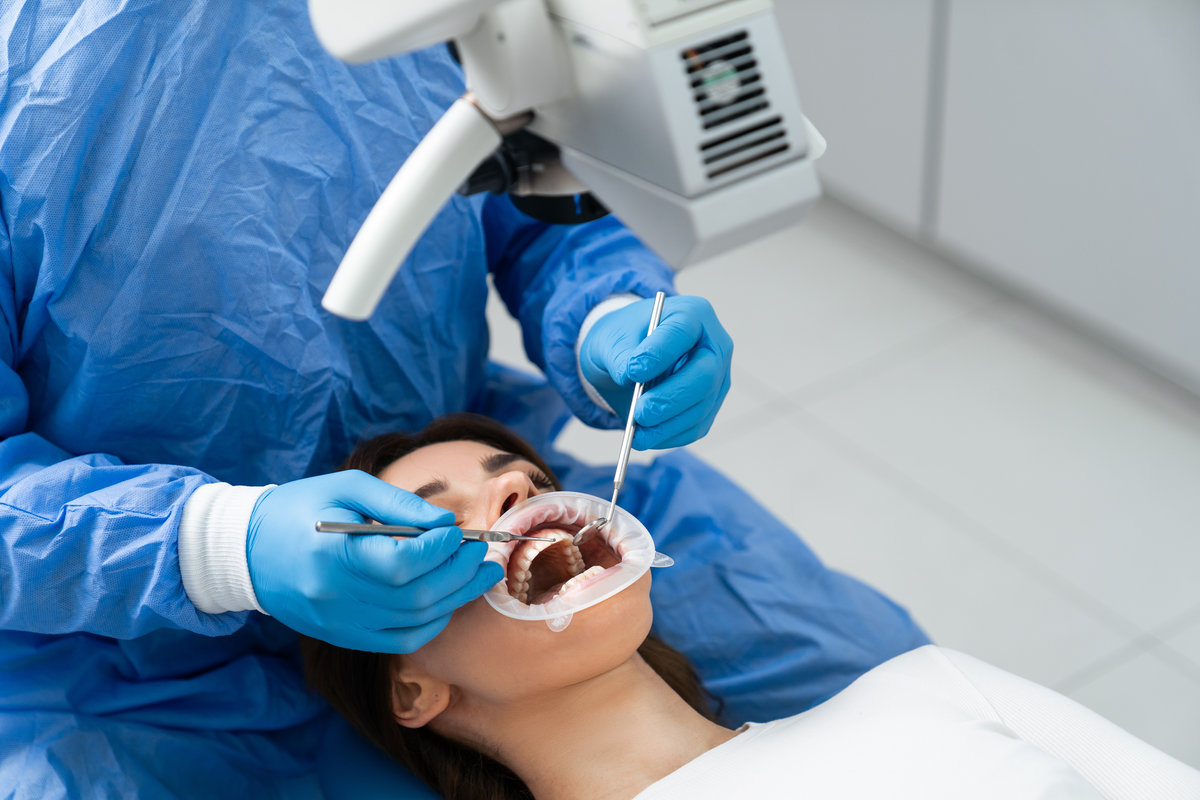
A dental implant needs a certain volume of healthy bone to anchor securely. When resorption has narrowed or shortened the ridge, there may not be enough structure to support the titanium post. Placing an implant into compromised bone increases the risk of failure, which is why a thorough evaluation using CBCT 3D imaging is so critical before any surgical plan is made.
What Bone Grafting Does and How It Works
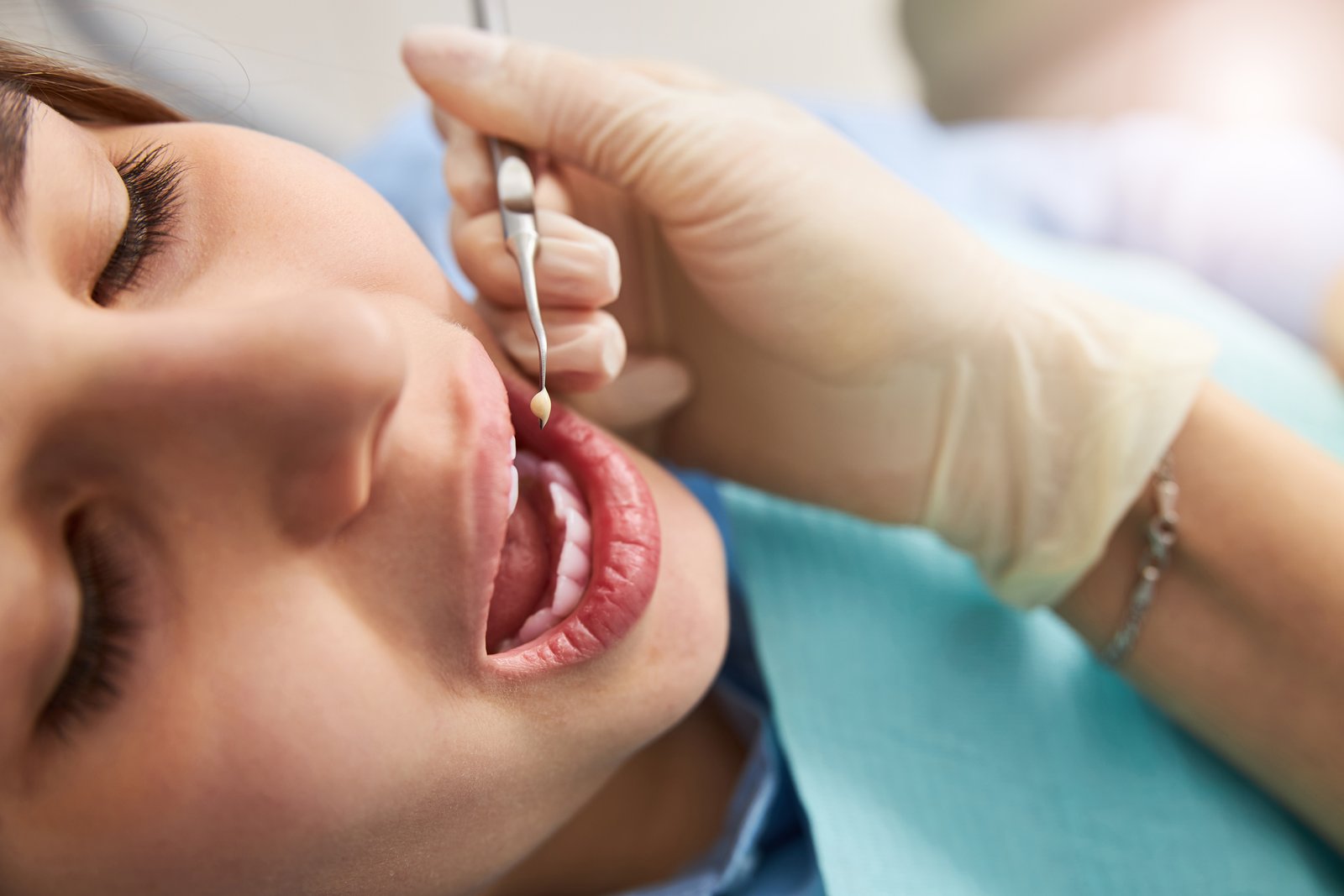
Bone grafting is a procedure designed to rebuild the jawbone so it can support an implant. The concept is straightforward: grafting material is placed in the area of deficiency, and over several months, the body integrates the material and generates new bone tissue.
Types of Grafting Material
Several types of bone graft material may be used depending on the size and location of the defect. Here are the most common options a dentist may recommend:
- Autografts use bone harvested from another site in your own body, often the chin or back of the jaw, and tend to integrate quickly because they contain living cells.
- Allografts use processed donor bone from a tissue bank, eliminating the need for a second surgical site while still providing a reliable scaffold for new growth.
- Xenografts use animal-derived bone, typically bovine, which has been sterilized and treated to serve as a framework the body gradually replaces with its own tissue.
- Synthetic grafts use biocompatible materials like hydroxyapatite or calcium phosphate to mimic natural bone structure and encourage regeneration.
Dr. Rudin evaluates every case with computer-guided planning to determine which grafting approach will deliver the best foundation for the future implant.
What to Expect During and After the Procedure
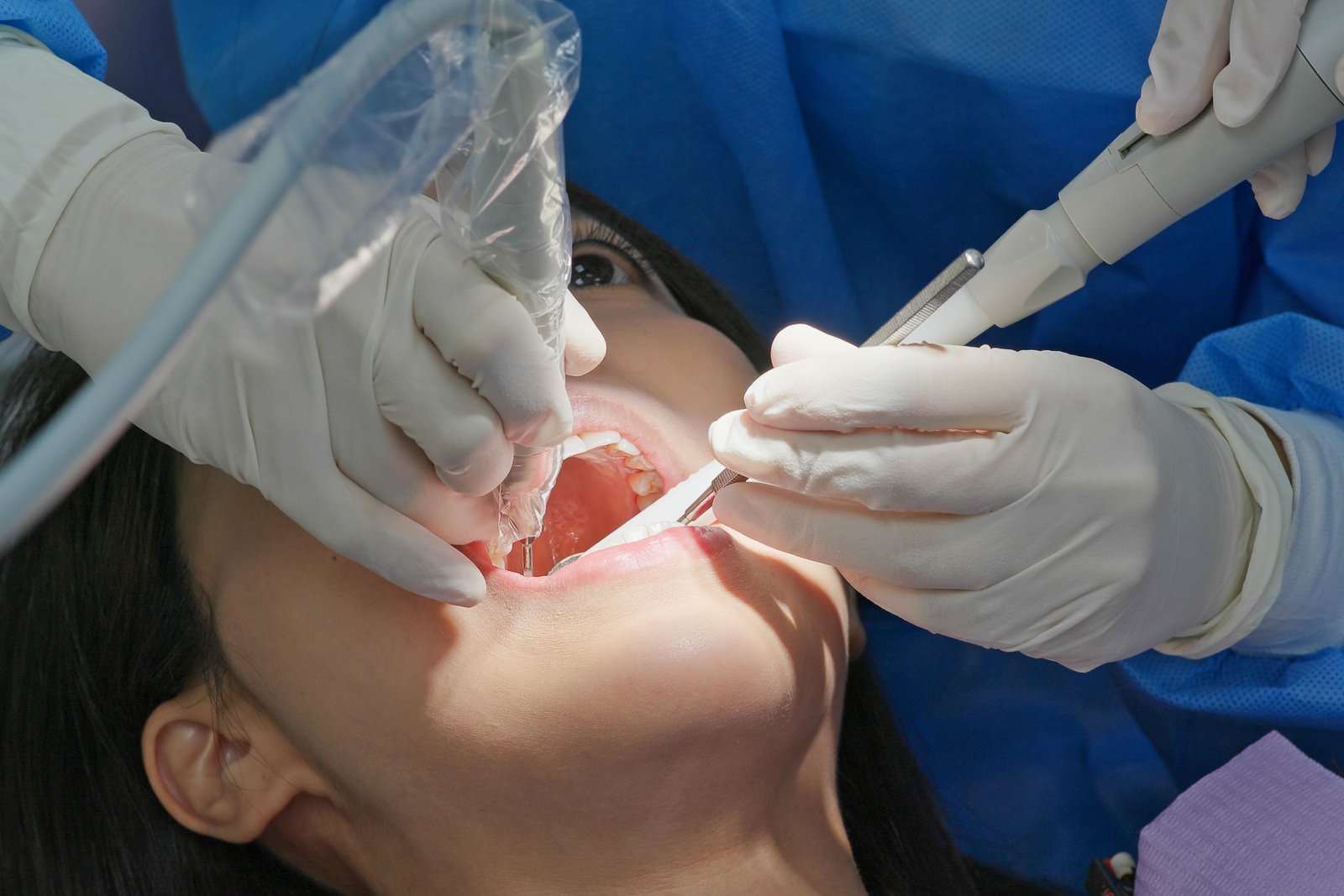
The grafting appointment itself is typically completed in under an hour for a standard site. We numb the area thoroughly, and for patients who feel uneasy about oral surgery, oral conscious sedation is available to help you relax throughout the process.
The Healing Timeline
After the graft is placed, the body needs time to convert the material into solid, living bone. This healing window usually ranges from three to six months, depending on the individual and the size of the graft. During this period, the site is protected, and we monitor progress at follow-up appointments to confirm the bone is maturing on schedule.
Research supports the reliability of this approach. A large-scale analysis of over 158,000 implants published by the National Institutes of Health found implants placed with simultaneous bone grafting achieved a 97.83% clinical success rate, comparable to implants placed without augmentation. Once the graft has fully integrated, single tooth implant placement can move forward with a strong, stable foundation.
Rebuild Your Smile at Maple Glen Modern Dentistry
Bone loss does not have to be the end of the conversation about implants. With proper grafting and time for healing, the jawbone can be rebuilt to support a restoration designed to look and function like a natural tooth. Dr. Adam Rudin’s background in implantology, combined with in-office CBCT imaging and digital planning tools, means every graft is placed with precision and purpose.
If you have been told you lack sufficient bone for an implant, we encourage you to schedule a consultation. A thorough evaluation can reveal exactly what your jaw needs and how we can help you move forward. Reach out to our team today to take the first step toward restoring your smile.