Getting a dental implant is one of the most meaningful investments you can make in your smile, but the days and weeks after placement are just as important as the procedure itself. Understanding what your body goes through during healing can make the difference between a smooth recovery and unnecessary setbacks.
At Maple Glen Modern Dentistry in Ambler, PA, we walk every patient through the full picture before they leave the chair. Whether you’re preparing for your first single-tooth dental implant or simply want to know what to expect, this guide covers the realistic recovery timeline and practical tips to support long-term success.
What Happens During Implant Healing?
Implant healing is not a single event; it’s a layered biological process that takes place over several months. After the titanium post is placed into the jawbone, your body begins the process of osseointegration, where bone cells gradually grow around and fuse to the implant surface. According to the National Institute of Dental and Craniofacial Research, osseointegration typically takes three to six months depending on bone density, overall health, and the location of the implant.
During this time, it’s important to distinguish between normal healing sensations and signs that something may need attention. Mild soreness, minor swelling, and some bruising in the first few days are entirely expected. What you do during this window plays a major role in the outcome.
The Recovery Timeline, Week by Week
Recovery unfolds in distinct phases, and knowing what to expect at each stage helps patients stay calm and on track.
The First 72 Hours
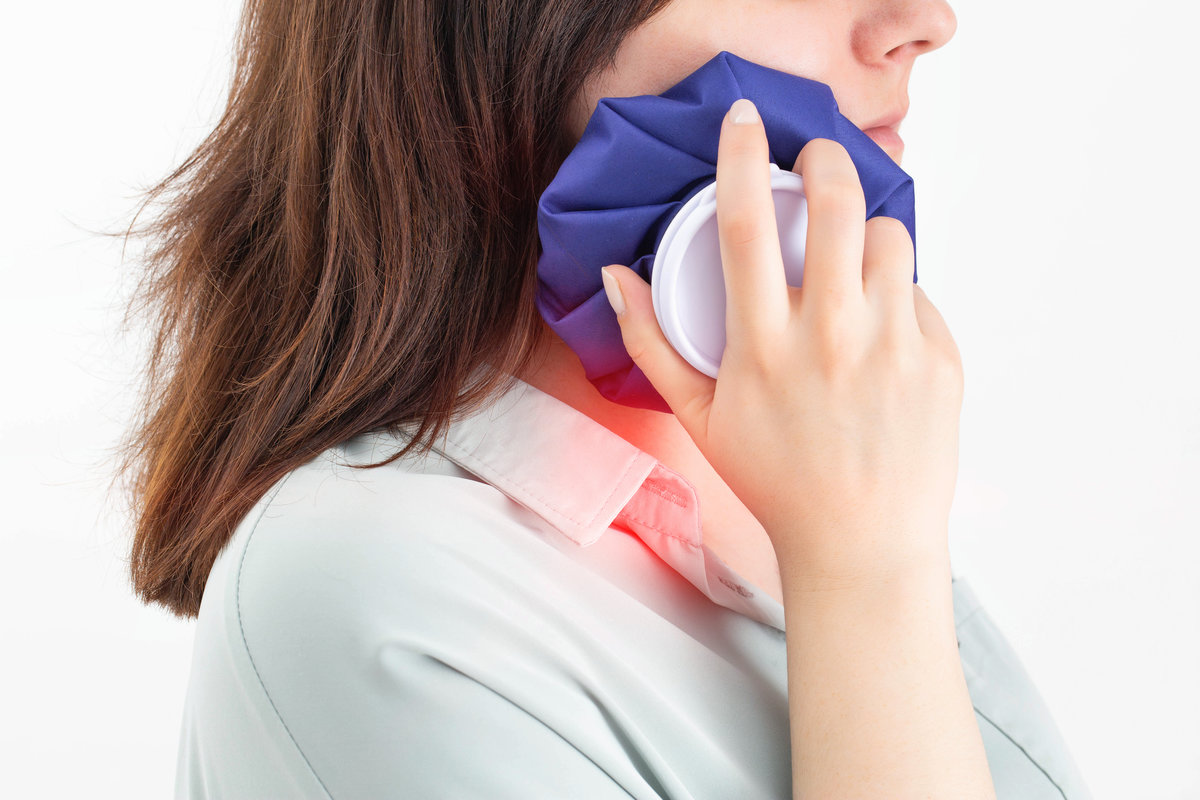
The initial period after surgery tends to bring the most noticeable discomfort. Swelling around the implant site typically peaks around the second day before gradually subsiding. Patients are advised to apply an ice pack in 20-minute intervals during the first 24 hours, avoid rinsing vigorously, and stick to soft foods. Bleeding may be present in small amounts and is generally managed by gently biting down on gauze.
Week One Through Two
By the end of the first week, most patients feel significantly more comfortable. Sutures, if placed, are typically removed or dissolved on their own within this window. Soreness at the site should be diminishing, though sensitivity when chewing or applying pressure is still common. A soft-food diet remains important throughout this period, and patients should continue to avoid tobacco, straws, and anything that could disrupt the forming clot or disturb the site.
Weeks Three Through Eight
This phase marks the transition into active osseointegration. Externally, many patients appear close to normal during this period, but the internal fusion process is still underway. Maintaining good oral hygiene without directly agitating the implant site is critical. Gentle brushing around the area and saltwater rinses support a healthy healing environment. For patients who require bone grafting prior to implant placement, this phase may take longer, as the grafted bone must integrate before the implant can fully stabilize.
Tips That Support a Successful Dental Implant Recovery
The habits you keep during recovery have a measurable effect on how well your implant integrates. These are the recommendations we emphasize most:
- Diet: Soft foods such as eggs, yogurt, mashed potatoes, and fish are ideal during the first two weeks. Avoid hard, crunchy, or chewy foods that place stress on the implant site.
- Oral hygiene: Continue brushing and flossing around the area, but use a soft-bristled toothbrush and be gentle near the surgical site. Avoid commercial mouthwashes with alcohol in the early weeks.
- Tobacco and alcohol: Both can significantly impair healing. Smoking in particular is associated with higher implant failure rates, and we encourage patients to abstain throughout the recovery period.
- Activity: Light activity is typically fine within a day or two, but strenuous exercise should wait at least a week. Elevated blood pressure and increased heart rate can worsen swelling and bleeding.
- Follow-up appointments: Never skip post-op visits. These allow us to confirm that osseointegration is progressing as expected and address any early concerns before they become complications.
Staying consistent with these habits gives your implant the best possible foundation for lasting success.
When to Call Your Dentist After Getting Dental Implants
Most people recover without incident, but there are signals worth taking seriously. Persistent pain that worsens after the first few days rather than improving, significant swelling that spreads beyond the implant site, fever, or unusual discharge can all indicate an infection or implant complication that needs prompt evaluation.
We are always accessible to patients with concerns during recovery, and we would rather address a question early than have a patient wait and wonder. If you’re unsure whether what you’re experiencing is typical, reach out to us.
Choose Maple Glen Modern Dentistry for Dental Implants in Ambler, PA
Dr. Adam Rudin completed a two-year implantology program at NYU in addition to his general practice residency at Newark Beth Israel Medical Center, giving him a level of surgical and restorative expertise that goes well beyond the standard of care. At Maple Glen Modern Dentistry, we use CBCT 3D imaging and computer-guided implant surgery to plan every case with precision, which directly supports better outcomes and smoother recoveries.
Flexible payment options, including CareCredit, Cherry financing, and in-house membership plans, are available to make the process more accessible for patients throughout Ambler, Fort Washington, and Horsham. If you’re considering dental implants or planning your placement, we’d love to be part of your journey. Schedule a consultation with our team and get the personalized guidance you deserve.