

Chronic jaw pain, clicking sounds when you chew, and persistent headaches can steal the joy from everyday moments like sharing a meal with loved ones or even speaking without discomfort. These symptoms often point to temporomandibular joint disorders, conditions that affect millions but frequently go untreated due to misunderstanding or delayed diagnosis. When left unaddressed, TMJ dysfunction can escalate from an occasional nuisance to a debilitating condition that impacts your quality of life, sleep, and overall wellbeing.
For residents near Fort Washington, Pennsylvania, finding specialized TMJ treatment doesn’t require traveling far from home. Dr. Adam Rudin at Maple Glen Modern Dentistry brings over a decade of experience and advanced training specifically in TMJ and occlusal therapy through the Dawson Academy Core Curriculum. His comprehensive approach combines cutting-edge diagnostic technology with personalized treatment plans designed to address the root causes of your jaw dysfunction, not just mask the symptoms.
Ready to experience general dentistry that goes beyond the basics? Call us at (267) 603-6463 or contact us online to schedule your comprehensive examination and discover what exceptional general dental care can do for your oral health and overall well-being.

The temporomandibular joint functions as a complex hinge connecting your jawbone to your skull, facilitating essential movements for speaking, chewing, and yawning. When this joint or the surrounding muscles become compromised, the resulting condition is classified as a temporomandibular disorder. Research from the National Institute of Dental and Craniofacial Research indicates that TMJ disorders affect between 5% and 12% of the population, with prevalence rates notably higher among younger individuals and women, who experience these conditions at least twice as frequently as men.
TMJ disorders manifest through various symptoms that many patients initially attribute to unrelated health issues. Common indicators include persistent jaw pain or tenderness, difficulty opening your mouth wide, a clicking or popping sensation when moving your jaw, chronic headaches or migraines, ear pain without infection, and facial discomfort that radiates to the neck and shoulders. The complexity of TMJ dysfunction means that symptoms can vary significantly between individuals, making professional evaluation essential for accurate diagnosis and effective treatment.
Multiple factors can contribute to TMJ disorders, often working in combination to create chronic dysfunction. Physical trauma to the jaw or head can displace the joint or damage surrounding tissues. Habitual behaviors such as teeth grinding or clenching, particularly during sleep, place excessive stress on the joint and muscles. Arthritis can deteriorate the joint cartilage, while structural abnormalities in the jaw or teeth alignment may create imbalanced pressure during normal function. Stress frequently manifests as jaw tension, leading to muscle fatigue and joint strain over time.

Dr. Rudin’s approach to TMJ treatment begins with thorough diagnostic evaluation using advanced technology including CBCT 3D imaging and digital impressions. This comprehensive assessment allows for precise identification of the specific factors contributing to your condition. Unlike generalized approaches, Dr. Rudin’s specialized training in occlusal therapy through the Dawson Academy enables him to address the complex interplay between your bite, jaw alignment, and joint function.
Treatment options are tailored to your individual needs and may include custom oral appliances designed to reposition your jaw and reduce pressure on the joint, occlusal adjustments to correct bite imbalances that contribute to TMJ stress, physical therapy exercises to strengthen supporting muscles and improve range of motion, and lifestyle modifications to eliminate habits that exacerbate symptoms. For patients experiencing TMJ-related sleep disruption, Dr. Rudin can coordinate care to address associated conditions like sleep apnea that may compound jaw dysfunction.
Maple Glen Modern Dentistry’s investment in cutting-edge diagnostic tools sets the foundation for effective TMJ treatment. The practice’s CBCT imaging provides three-dimensional views of your jaw structure, revealing issues that traditional X-rays might miss. Digital impressions ensure precise measurements for custom appliances without the discomfort of traditional impression materials. This technology-driven approach, combined with Dr. Rudin’s clinical expertise, creates treatment plans based on comprehensive data rather than guesswork.

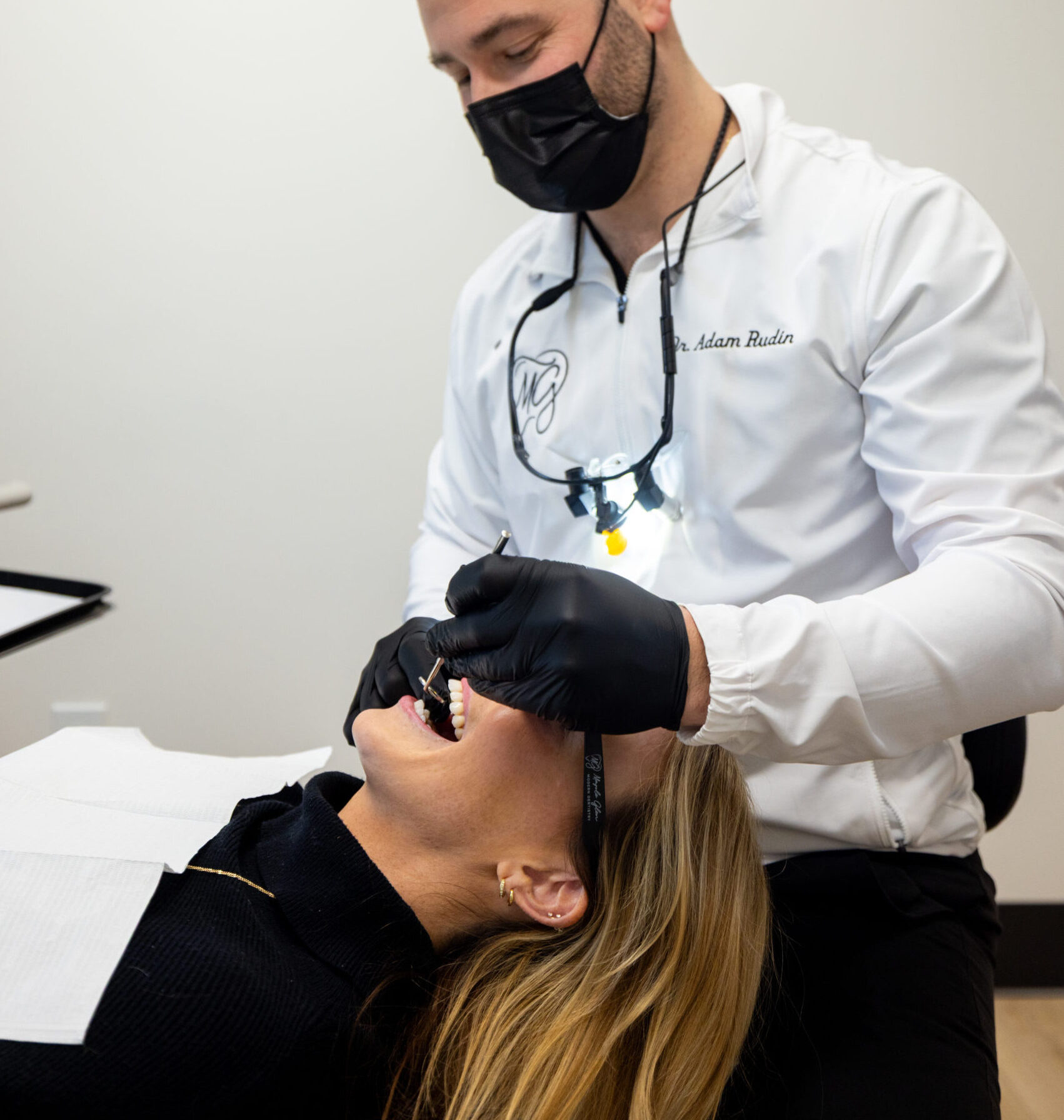
Your initial consultation involves a detailed discussion of your symptoms, medical history, and how TMJ dysfunction affects your daily life. Dr. Rudin performs a comprehensive examination of your jaw movement, bite alignment, and muscle tension. Diagnostic imaging may be recommended to visualize joint structure and identify any degenerative changes. Based on this thorough evaluation, Dr. Rudin develops a personalized treatment plan with clear timelines and expected outcomes, ensuring you understand each step of your journey toward relief.
Many patients experience significant improvement within weeks of beginning treatment, though the timeline varies based on severity and individual response. Dr. Rudin emphasizes the importance of patient education throughout the treatment process, empowering you with knowledge about your condition and strategies to prevent future episodes. The practice’s commitment to conservative, evidence-based care means surgical intervention is rarely necessary, with most patients achieving lasting relief through non-invasive approaches.

TMJ dysfunction rarely exists in isolation. Dr. Rudin’s comprehensive training allows him to recognize and address related dental health issues that may contribute to or result from TMJ disorders. Worn teeth from chronic grinding may require restorative dentistry to rebuild damaged enamel and restore proper function. Misalignment issues contributing to TMJ stress can often be corrected with clear aligners that gradually reposition teeth for improved bite balance. When TMJ pain has led to dental anxiety, the practice offers sedation options to ensure comfortable treatment.
Living with TMJ dysfunction diminishes your quality of life in ways that extend far beyond jaw discomfort. The chronic pain, disrupted sleep, and limitations on normal activities deserve professional attention from a dentist with specialized training in this complex condition. Dr. Rudin’s unique combination of advanced education, cutting-edge technology, and genuine commitment to patient-centered care makes Maple Glen Modern Dentistry the ideal choice for TMJ treatment near Fort Washington.
The practice welcomes patients from Fort Washington, Ambler, Willow Grove, and surrounding communities who are ready to address their jaw pain with comprehensive, effective solutions. From your first consultation through ongoing care, you’ll experience the difference that specialized expertise and modern technology make in achieving lasting relief. Don’t let TMJ dysfunction control another day of your life. Contact Maple Glen Modern Dentistry to schedule your TMJ evaluation and discover how Dr. Rudin’s personalized approach can restore comfort, function, and confidence to your smile.