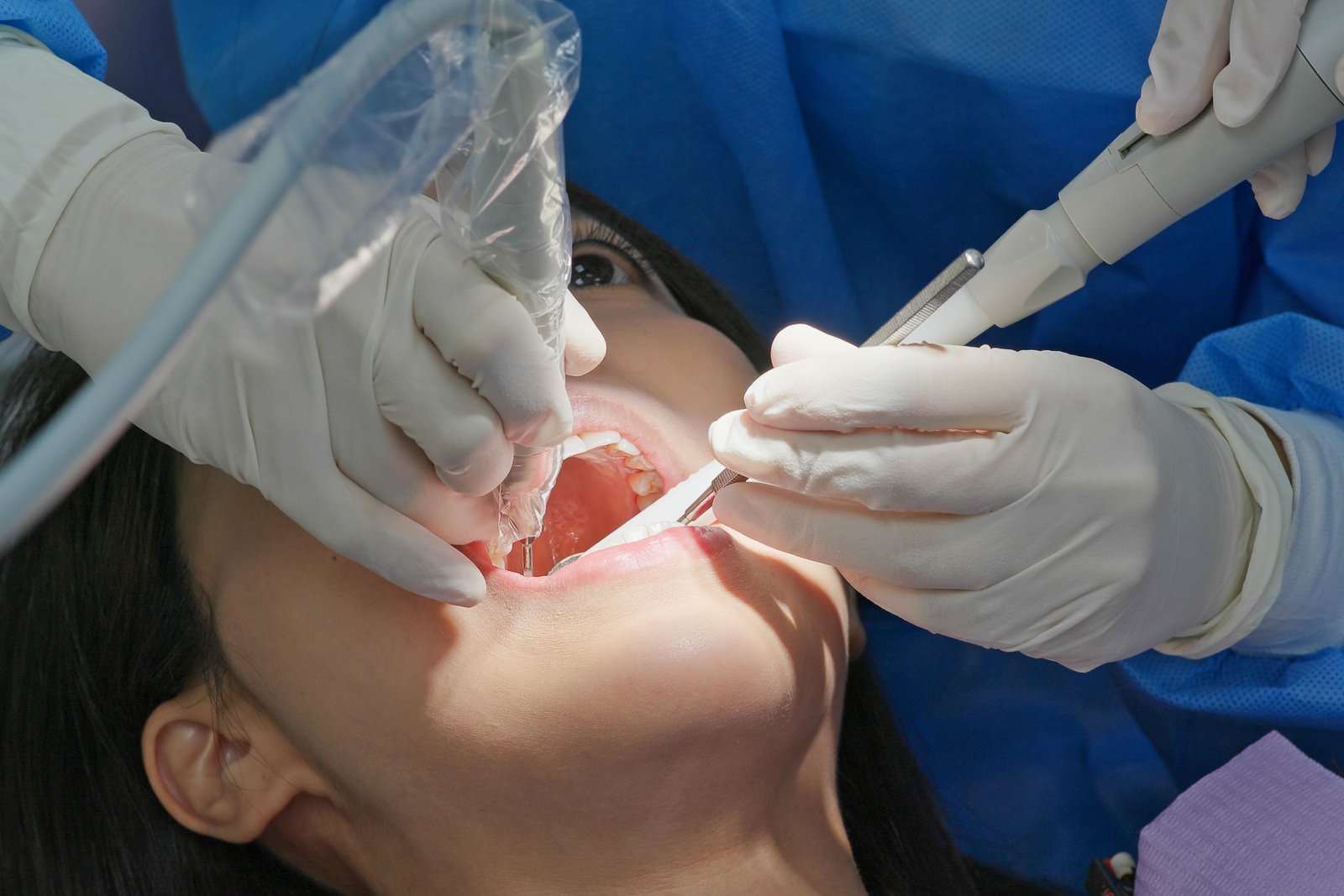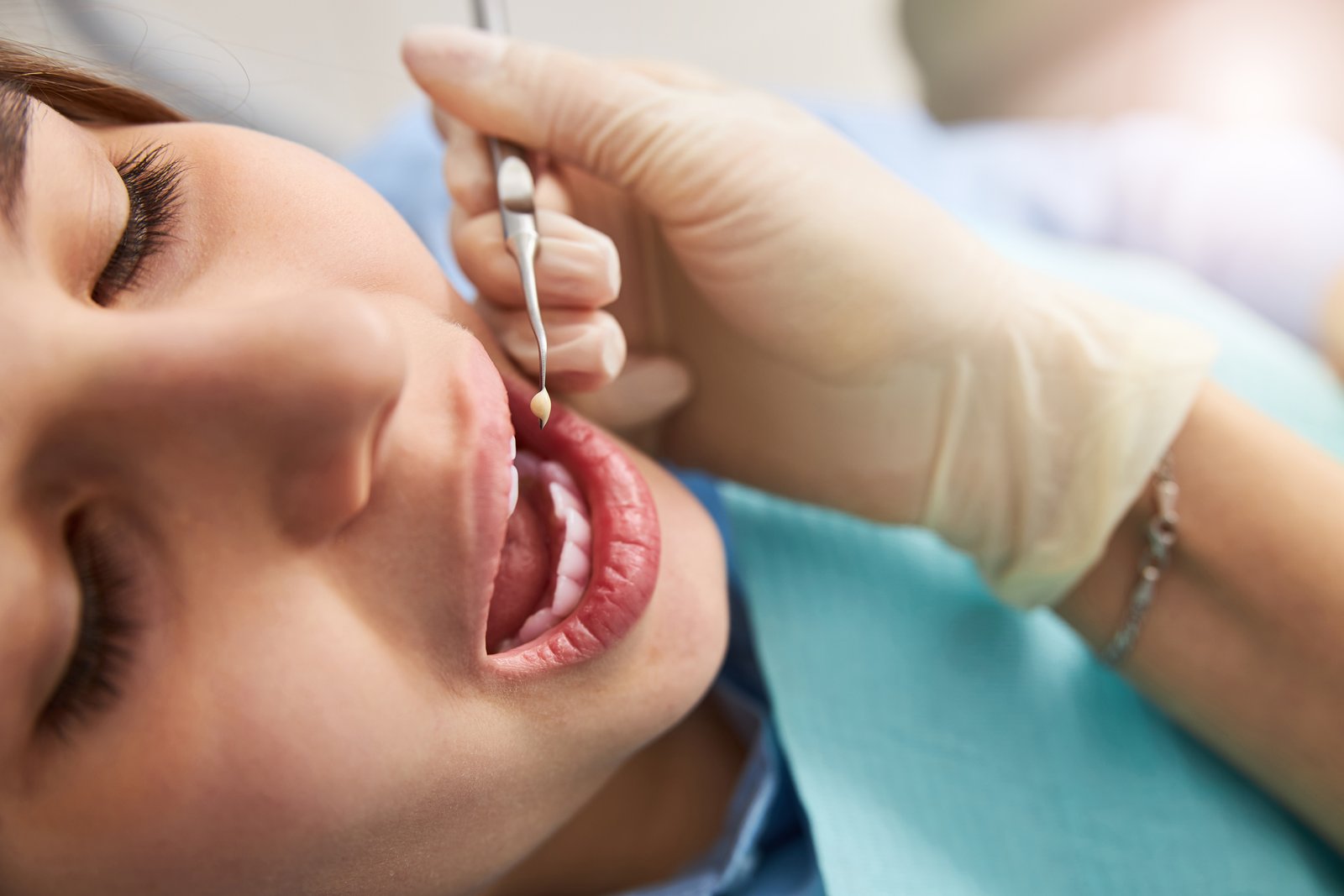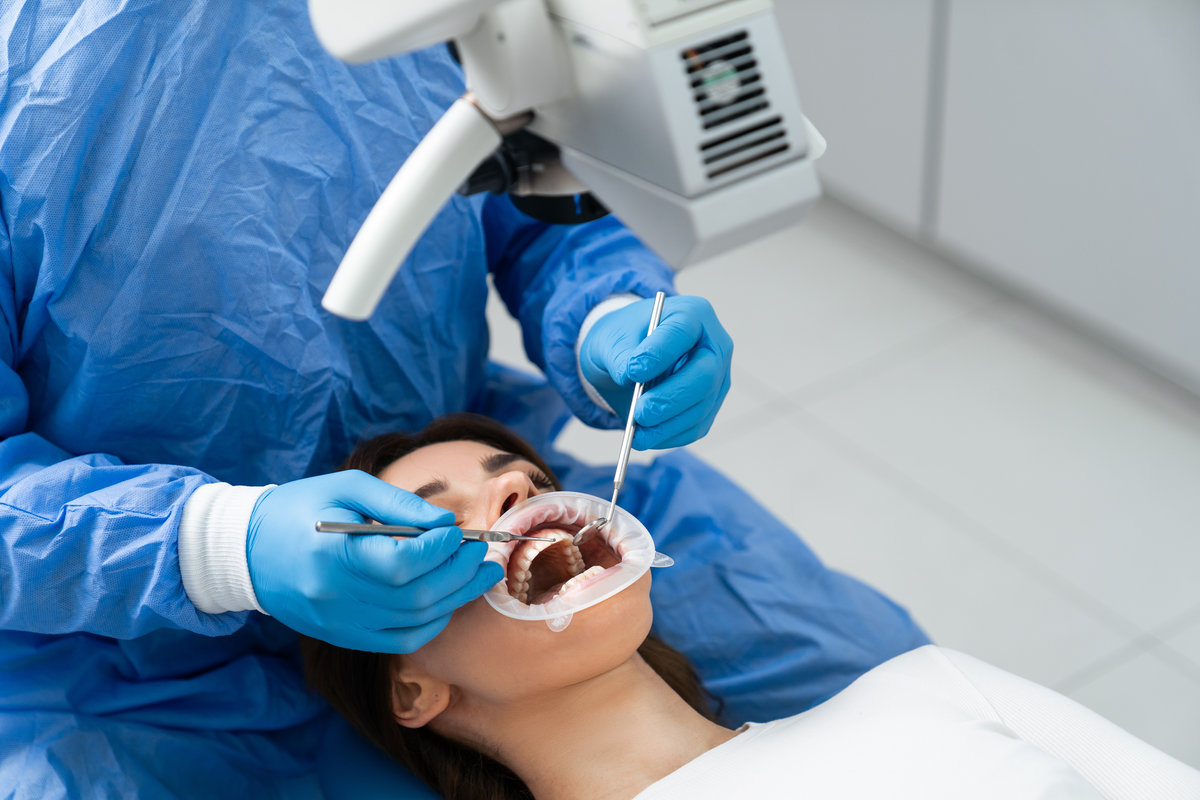

For people who have spent years avoiding the dentist because of fear, anxiety, or a bad experience they cannot quite shake, the idea that you can simply not feel that way anymore is genuinely worth knowing about. Dental sedation has made it possible for patients who might otherwise put off care indefinitely to receive the treatment they need in a way that feels manageable, or even comfortable.
At Maple Glen Modern Dentistry in Ambler, PA, Dr. Adam Rudin has built a practice around the belief that anxiety should never be a reason to go without care. Through oral conscious sedation and, for patients who need a deeper level of comfort, sedation provided by an outside anesthesiologist, we offer a range of options that can be matched to what each patient actually needs. Understanding how these options differ is the first step toward figuring out which one might be right for you.
What Oral Sedation Involves
Oral conscious sedation is medication taken by mouth, typically in pill form, before your appointment. The goal is not to put you to sleep but to take the edge off in a significant way. Most patients describe the experience as deeply relaxed, calm, and somewhat drowsy. You remain conscious and able to respond to Dr. Rudin throughout the procedure, but the anxiety that would normally make the appointment difficult simply is not there in the same way.
How It Works
You take the prescribed medication before arriving, so by the time you are in the chair, it has already started working. The sedative reduces anxiety, raises your comfort threshold, and often produces a mild amnesiac effect, meaning you may have little memory of the appointment afterward. This quality tends to be welcome news for patients whose anxiety is tied to specific sensory memories, including sounds, sensations, or the overall clinical environment.
Who It Works Well For
Oral sedation is well suited to patients with mild to moderate anxiety, a sensitive gag reflex, or a strong discomfort with needles. It is also a practical choice for longer appointments where staying still and relaxed matters. Because it does not require any injection to administer, it is often the easiest entry point for patients who are hesitant about sedation in the first place. After your appointment, you will need a driver to take you home, as the effects persist after the procedure ends.
What IV Sedation Involves
IV sedation delivers sedative medication directly into the bloodstream through an intravenous line, producing a deeper and faster-acting effect than oral medication. According to the American Dental Association, more complex treatments may require deeper sedation to relieve both pain and anxiety, and in some cases general anesthesia may be appropriate. This level of sedation is not administered by a general dentist working alone. At Maple Glen Modern Dentistry, IV sedation and general anesthesia are available on an as-needed basis through an outside anesthesiologist whom Dr. Rudin has an established relationship with, allowing it to be arranged for patients who genuinely need it.
How It Works
With IV sedation, the medication takes effect almost immediately. Patients reach a state somewhere between conscious and fully asleep. Most people have virtually no memory of the procedure and feel little to no awareness of what is happening around them. Unlike general anesthesia, IV sedation typically allows patients to maintain their own airway and respond minimally to stimulation if needed, though the experience feels closer to sleep than to the conscious relaxation of oral sedation.
Who It Works Well For
IV sedation is most appropriate for patients with severe dental anxiety, those who have not responded adequately to lighter sedation, or those undergoing more extensive procedures such as dental implant placement and restoration. It is also an option for patients with complex medical circumstances or strong physical reflexes that make treatment difficult under lighter sedation. Because it requires a certified anesthesiologist and additional coordination, it is arranged based on the clinical picture rather than offered as a routine default.
How to Decide What You Need
The right level of sedation depends on the nature of your anxiety, the type of procedure you need, and your overall health history. Dr. Rudin takes time with every patient to understand what actually makes dental care difficult for them before recommending anything. For many patients, oral sedation in combination with the comfort options available through our experience menu is more than sufficient. For others, a conversation about deeper sedation is the right starting point. Either way, the answer is always based on what you need, not a one-size-fits-all approach.
If nitrous oxide sedation is enough to take the edge off for lighter procedures, that option is available as well. The full range means no patient has to white-knuckle their way through an appointment.
Schedule a Conversation at Maple Glen Modern Dentistry
Dr. Adam Rudin trained at NYU College of Dentistry and completed a general practice residency at Newark Beth Israel Medical Center. He has been practicing for over a decade with a focus on personalized care that meets patients where they are, including those for whom dental anxiety has been a long-standing barrier.
Dr. Rudin and the team serve patients from Ambler, Fort Washington, Horsham, Willow Grove, Maple Glen, Lower Gwynedd, and Upper Dublin Township. If anxiety has been keeping you away, this is a good place to start that conversation. Request an appointment and we will help you figure out what level of comfort support makes the most sense for you.