
That persistent ache in your jaw isn’t something you should just push through. If you’ve been dealing with discomfort when you chew, wake up with a stiff jaw, or hear clicking sounds when you open your mouth, you might be experiencing signs of temporomandibular joint (TMJ) disorder. Understanding what’s normal and what’s not when it comes to jaw pain is the first step toward finding a solution.
At Maple Glen Modern Dentistry, Dr. Adam Rudin has completed advanced training through the Dawson Academy Core Curriculum, specifically focused on TMJ treatment and occlusal therapy, giving him the expertise to diagnose and treat even complex cases. Let’s explore the key symptoms that might indicate you’re dealing with TMJ disorder.
What Is TMJ Disorder?
TMJ disorder impacts the temporomandibular joint, which works as a sliding hinge connecting your jawbone to your skull. When this joint isn’t functioning properly, it can cause pain and limited movement, impacting your daily life. The disorder can stem from several causes, including jaw injuries, arthritis, genetics, or habits like teeth grinding. According to the National Institute of Dental and Craniofacial Research, TMJ disorders affect over 10 million Americans, making it a common but often misunderstood condition.
The Most Common TMJ Symptoms
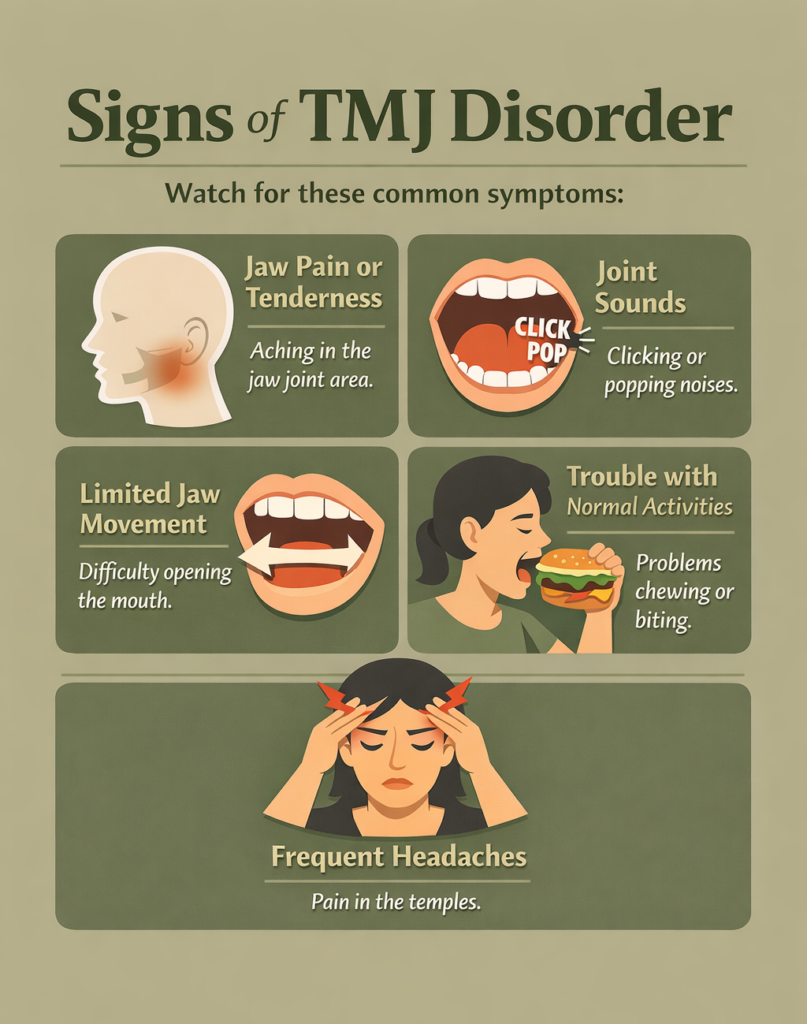
Jaw pain is often the first sign people notice, but TMJ disorder can manifest in several ways. Watch for these common indicators:
- Jaw pain or tenderness: A dull, aching pain in your jaw joint area that worsens when you chew or talk
- Joint sounds: Clicking, popping, or grating sounds when you open or close your mouth, which might occur with or without pain
- Limited jaw movement: Difficulty opening your mouth fully or jaw occasionally locking in an open or closed position
- Trouble with normal activities: Struggling to take a big bite of food or experiencing discomfort during everyday jaw movements
- Headaches: Pain in the temple area that’s frequently associated with TMJ issues
If you’re experiencing one or more of these symptoms regularly, it’s worth getting a professional evaluation.
Beyond the Jaw: Additional Symptoms
TMJ disorder doesn’t always stay confined to your jaw. The interconnected nature of your facial structures means symptoms can radiate outward. Ear pain or a feeling of fullness in your ears is surprisingly common, often leading people to initially suspect an ear infection. Neck and shoulder pain can also develop as your body compensates for the jaw dysfunction.
Facial pain or tenderness, particularly around the jaw joint itself, is another indicator. Some people experience changes in their bite, where their upper and lower teeth no longer fit together correctly. This misalignment can contribute to ongoing discomfort and make the condition worse over time.
When Jaw Pain Becomes a Concern
Not every instance of jaw soreness means you have TMJ disorder. Occasional mild discomfort after chewing something particularly tough might not be cause for alarm. However, if your symptoms persist for more than a few weeks, interfere with eating or speaking, or progressively worsen, it’s time to seek professional evaluation.
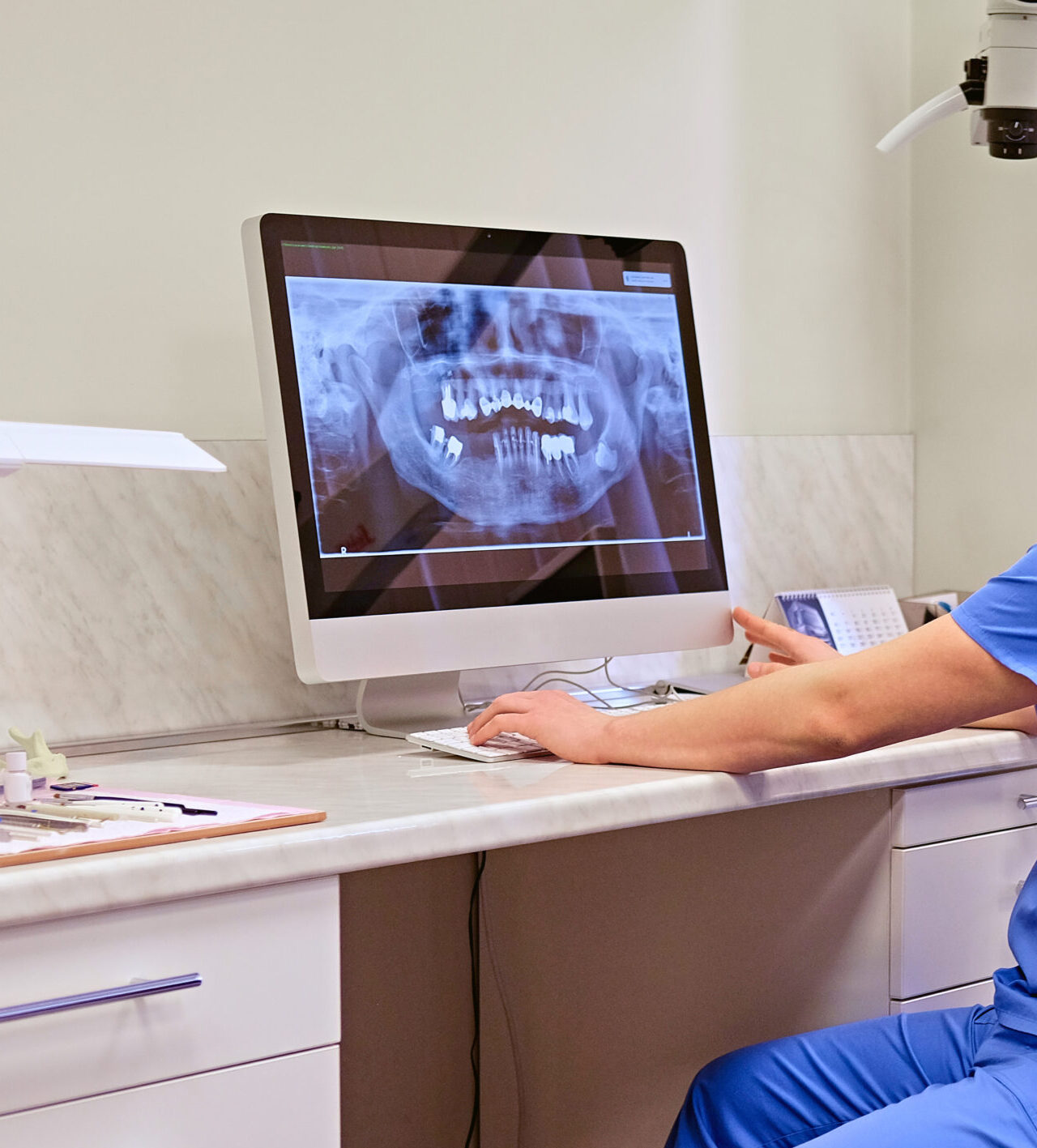
At Maple Glen Modern Dentistry, we use advanced diagnostic tools, including CBCT 3D imaging, to get a comprehensive view of your jaw joint and surrounding structures. This technology enables Dr. Rudin to identify issues that may not be visible on standard imaging, leading to more reliable diagnoses and more effective treatment plans.
Treatment Options for TMJ Disorder
Fortunately, TMJ disorder is treatable, and you don’t have to live with chronic jaw pain. Treatment methods vary depending on the severity of your condition and its underlying causes. Conservative treatments often include custom-fitted oral appliances that help realign your jaw and prevent teeth grinding. Occlusal therapy can address bite issues that contribute to TMJ problems.
Lifestyle modifications, stress management, and targeted exercises can also provide significant relief. For more complex cases, Dr. Rudin’s comprehensive training in TMJ management means he can develop personalized treatment strategies that address your specific needs. The practice’s one-stop-shop approach means you can receive most treatments right here in Ambler, without the need for multiple referrals to specialists.
Ready to Find Relief from Jaw Pain? Contact Maple Glen Modern Dentistry
Living with jaw pain doesn’t have to be your norm. If you’re experiencing any of the symptoms we’ve discussed, the team at Maple Glen Modern Dentistry is here to help. We offer free consultations and second opinions, making it easy to get expert guidance without financial pressure. With advanced technology, comprehensive training in TMJ treatment, and a commitment to anxiety-free experiences, you’ll receive care in an environment designed around your comfort.
Don’t let TMJ disorder control your life or limit your ability to eat, speak, and live comfortably. Schedule an appointment with Dr. Rudin today to get the answers you need and start your path toward lasting relief. Your jaw will thank you.