

Getting a dental implant is one of the most meaningful investments you can make in your smile, but the precision required to place one correctly is no small feat. Every implant needs to land in exactly the right position, at exactly the right angle, taking into account your bone density, nerve pathways, and how your bite functions as a whole. When that level of precision isn’t achieved, the consequences can range from discomfort to failed implant integration. For patients who want the confidence of knowing their implant placement was planned and executed with surgical accuracy, computer-guided implant surgery is a remarkable step forward.
At Maple Glen Modern Dentistry, we offer computer-guided implant surgery as part of our commitment to delivering forward-thinking, precision-driven care. Dr. Adam Rudin and our team utilize advanced technology to take the guesswork out of implant placement, creating a detailed digital roadmap before a single instrument touches your mouth. Our dental implant process is built around your unique anatomy, meaning no two treatment plans look alike because no two patients are alike.
Ready to experience general dentistry that goes beyond the basics? Call us at (267) 603-6463 or contact us online to schedule your comprehensive examination and discover what exceptional general dental care can do for your oral health and overall well-being.
Computer-guided implant surgery is a technology-driven approach to implant placement that relies on three-dimensional imaging and digital planning software to map out every detail of your procedure in advance. Rather than relying solely on two-dimensional X-rays and the dentist’s feel during surgery, computer-guided techniques create a precise, customized surgical guide that directs implant placement with exceptional accuracy.
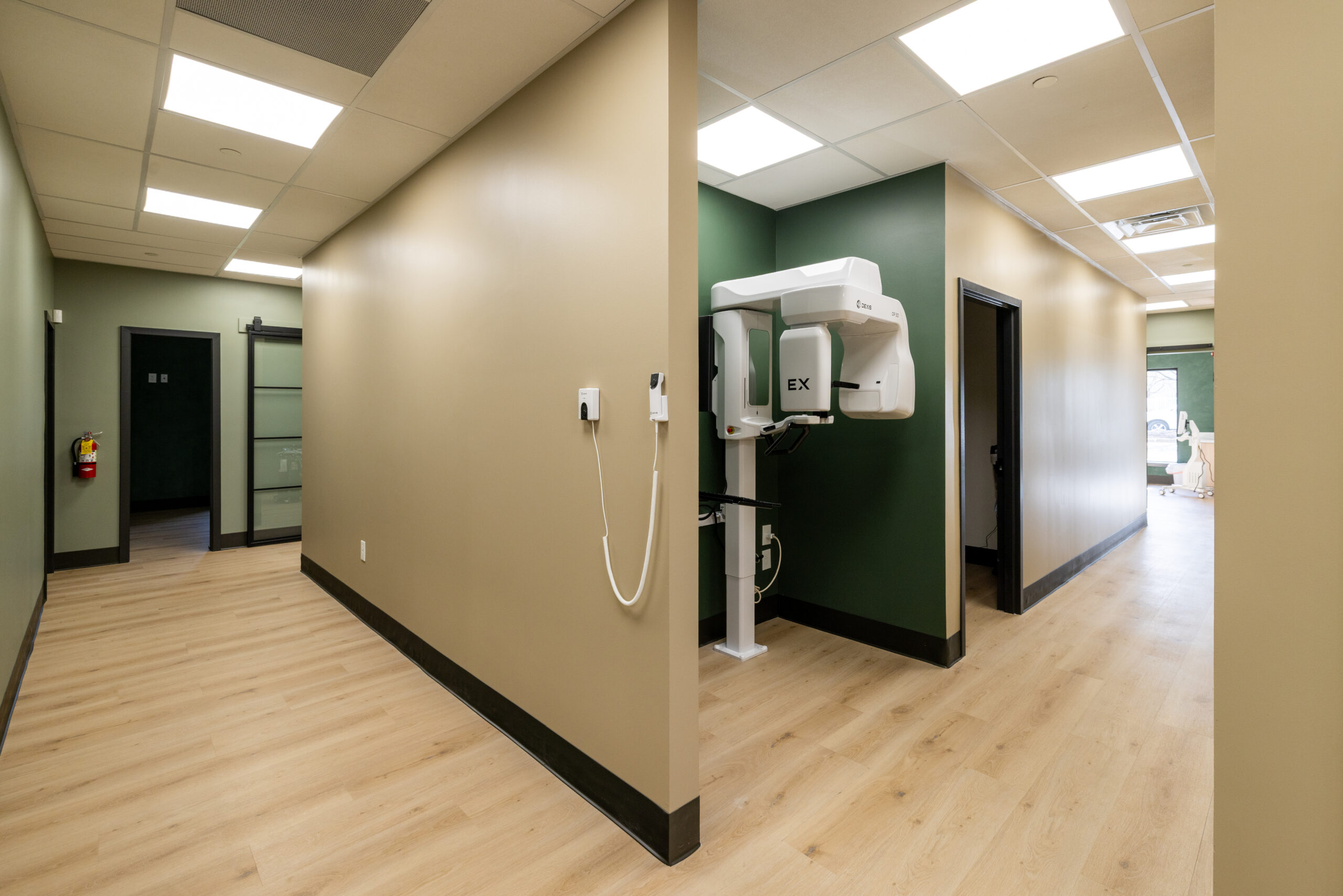
The process begins with a CBCT (cone-beam computed tomography) scan. This scan produces a high-resolution, three-dimensional image of your jawbone, showing bone volume, density, and the location of nerves and adjacent structures in detail that traditional imaging simply cannot replicate. At Maple Glen Modern Dentistry, we have CBCT imaging in-house, which means we capture this critical data right here at our office rather than sending you to an outside facility. Combined with our advanced dental technology, including digital impressions and intraoral cameras, we assemble a comprehensive picture of your oral anatomy before treatment ever begins.

Once your CBCT scan and digital impressions are complete, Dr. Rudin uses specialized planning software to virtually place your implant in the ideal position. The software accounts for bone quality, implant depth, angle, and proximity to vital structures, allowing us to design the exact placement trajectory. This virtual plan is then used to fabricate a surgical guide that fits over your teeth or gums during the procedure and physically guides the drill to the pre-planned location.
The result is a level of predictability and consistency that freehand surgery simply cannot match. Research published in a 2023 systematic review and meta-analysis found that computer-aided implant surgery demonstrated a mean deviation at the entry point of just 1.11 mm, confirming that guided techniques produce clinically precise outcomes. For patients, this means the implant is placed as planned, protecting surrounding nerves and tissues while optimizing bite conditions for long-term success. Because we also have a 3D printer in our office, we can quickly and efficiently fabricate surgical guides, keeping your treatment timeline on track.

There are several major advantages that computer-guided surgery offers over traditional freehand implant placement. The technology benefits patients at every stage, from planning through healing and restoration.
These key advantages include:
For patients who have experienced anxiety around dental procedures, these benefits extend beyond the clinical. Knowing that your treatment has been meticulously planned and rehearsed digitally before you ever sit in the chair can make the entire experience feel far less daunting. At Maple Glen Modern Dentistry, we prioritize an anxiety-free experience, and the confidence that comes with guided surgery is a meaningful part of that.
Most dental implant patients are excellent candidates for computer-guided surgery. The technology is particularly valuable in cases where bone volume is limited, the implant site is near a nerve or sinus cavity, or multiple implants are being placed, and spatial relationships among them matter greatly. Patients with dental anxiety who want to minimize the unknowns of surgery also tend to appreciate the thoroughness of the guided approach.
Dr. Rudin will review your CBCT scan and medical history to determine whether guided surgery is the right fit for your specific situation. In many cases, it simply is. Because we handle most procedures in-house at Maple Glen Modern Dentistry, we can keep your care coordinated, consistent, and convenient from the diagnostic phase through final restoration.
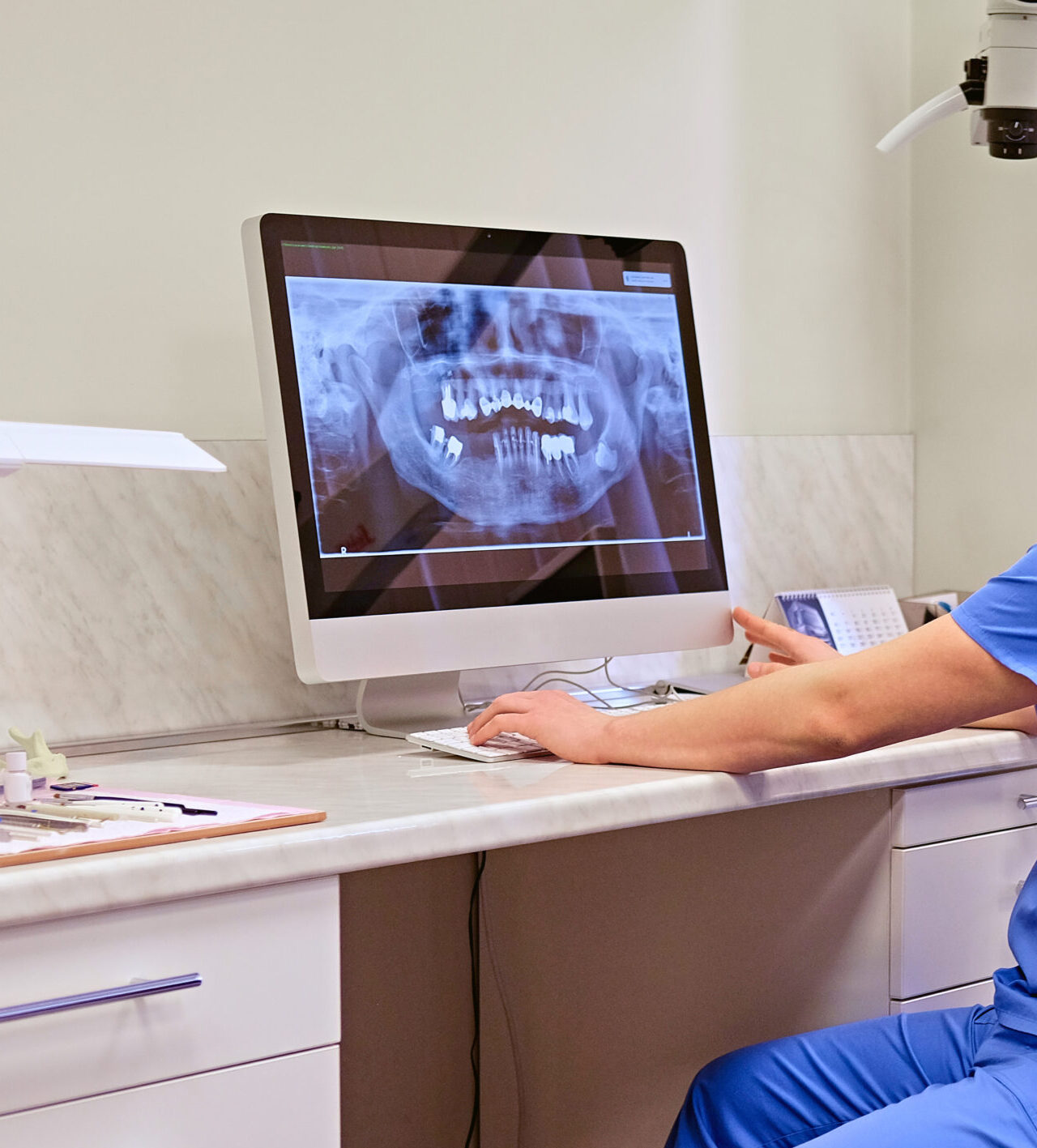
Choosing where to have your implant placed is one of the most important decisions in the entire process, and it starts with choosing a provider who invests in the right tools and training. Dr. Adam Rudin is a skilled and passionate general dentist with extensive implant experience, beginning with his training at the NYU Implantology Continuing Education program nearly 10 years ago. Dr. Rudinhas practiced across some of the country’s most dynamic cities, bringing a diverse clinical perspective and a genuine enthusiasm for modern dentistry to every patient he sees. Maple Glen Modern Dentistry is locally owned and operated, and our team is committed to making every patient feel cared for, informed, and confident in their treatment.
When you’re ready to take the next step toward a restored smile, we’d love to walk you through exactly how computer-guided surgery could work for you. Reach out to our team and schedule your consultation today. We’re proud to serve patients in Ambler, PA, and the surrounding communities with the kind of precise, technology-forward care that modern dentistry makes possible.
Your Care Team
When you visit Maple Glen Modern Dentistry, you’re in the hands of a true dental generalist with advanced specialty-level training — someone who can handle nearly everything your family needs under one roof, with the time and attention you deserve.

DDS · NYU College of Dentistry · Ambler, PA
Dr. Rudin is a passionate general dentist and the founder of Maple Glen Modern Dentistry. A graduate of NYU College of Dentistry, he completed a competitive general practice residency at Newark Beth Israel Medical Center, a two-year implantology program at NYU, and the Dawson Academy Core Curriculum — focused on comprehensive occlusal and TMJ therapy. He offers a full spectrum of care, from cosmetic dentistry and clear aligners to implant placement, root canal therapy, and complex TMJ management.
Access & Affordability
Quality dental care shouldn’t be out of reach. We accept most PPO insurance plans and offer several financing options to make it easier to get the care you need — with no HMOs and no government plans.
We’re in-network with most major PPO plans, including Delta Dental, Aetna, Cigna, MetLife, Guardian, Humana, Blue Cross Blue Shield, United Healthcare, United Concordia, and Ameritas.
Spread the cost of treatment with CareCredit or Cherry financing — including 0% financing options. We also accept HSA/FSA, cash, check, and all major credit cards.
No insurance? No problem. Our in-house savings plans (Adult, Child, Perio, and Implant) include covered exams, cleanings, x-rays, and discounts on all treatment — starting at an annual flat rate.
Questions about your coverage? Call us at (267) 603-6463 and we’ll verify your benefits before your appointment.
Patient Experience
We’re proud of the care we provide and we let our patients speak for themselves. Read what families in Ambler, Maple Glen, and the surrounding communities are saying.